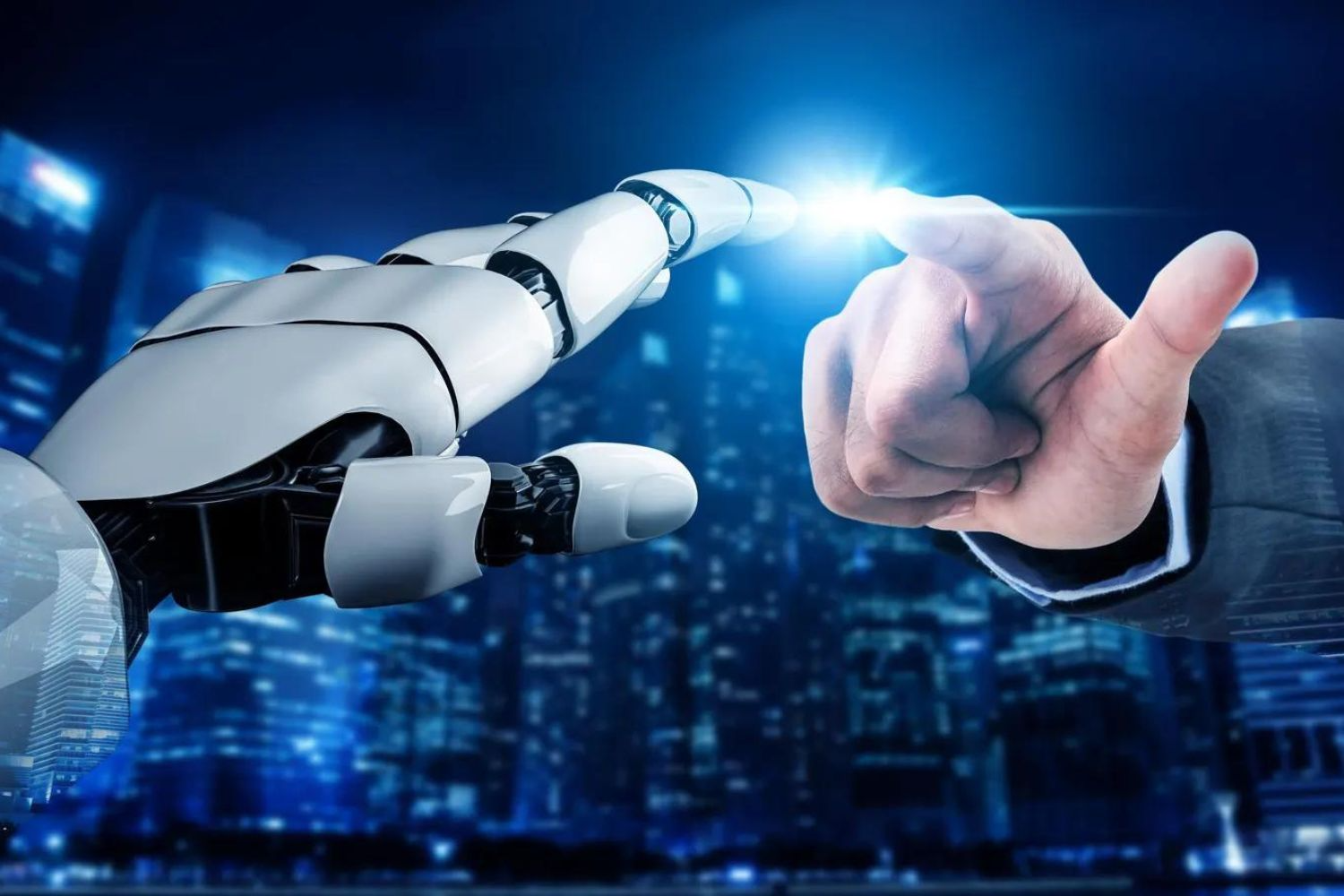
Artificial intelligence is no longer a future concept — it is actively reshaping the global job market. While there is a real concern about job displacement, the rise of AI is also creating new roles, opportunities and entire career paths that did not exist a few years ago.
From the emergence of the Chief AI Officer to companies experimenting with AI as decision-makers, the future of work is being rewritten in real time. And according to experts, countries like Brazil are already leading this transformation in Latin America.
From Assistant to Decision-Maker
One of the most striking examples of this shift comes from a case where ChatGPT was used as a virtual CEO to launch a business from scratch.
With minimal investment, the company quickly generated revenue and attracted investors, showing that AI is not limited to executing tasks — it can also guide strategy and decision-making.
This raises an important question: if AI can assist, optimize and even lead processes, how far can its role go in business structures?
The Rise of the Chief AI Officer
As AI becomes central to operations, a new executive role has emerged: the Chief Artificial Intelligence Officer.
This position is not purely technical. It sits at the intersection of strategy, technology and organizational culture, responsible for understanding workflows, implementing AI systems and anticipating both risks and opportunities.
With a significant portion of professional skills expected to evolve in the coming years, this role is becoming essential for companies that want to stay competitive.
Job Displacement vs. Job Evolution
The fear of job loss is not unfounded. Studies suggest that millions of roles could be transformed or replaced as automation continues to expand.
Companies across industries are already adopting AI to handle repetitive tasks, reduce costs and increase efficiency.
However, this transformation does not mean the end of human work. Instead, it signals a shift toward roles that require creativity, critical thinking and emotional intelligence.
AI is most powerful when used to amplify human capabilities, not replace them entirely.
AI in Creative Industries
The impact of artificial intelligence has also reached creative fields, raising new debates about authorship and originality.
From deepfake videos to AI-generated scripts and digital recreations of actors, the line between human and machine-created content is becoming increasingly blurred.
This has sparked concerns among artists and creators who question whether technology can truly replicate human experience and creativity.
AI Skills Are Becoming Essential
One of the clearest trends is the growing demand for professionals who know how to work with AI tools.
Companies are actively seeking candidates who can use systems like ChatGPT to improve productivity, automate tasks and generate content efficiently.
In some organizations, AI usage is no longer optional — it is part of performance evaluation and daily workflows.
AI in Hiring and Job Search
Artificial intelligence is also transforming how people apply for jobs.
Many candidates now use AI to create resumes, cover letters and prepare for interviews, increasing their chances of being noticed by recruiters.
However, this practice is still controversial, with some companies rejecting candidates who rely too heavily on automated tools.
Adopt or Restrict: The Corporate Dilemma
While many companies are integrating AI into their systems, others are restricting its use due to concerns about data security and confidentiality.
This creates a new corporate dilemma: embrace AI and gain efficiency, or limit its use to protect sensitive information.
What is becoming increasingly clear is that organizations that ignore AI risk falling behind in a rapidly evolving market.
The Future of Work Is Already Here
Artificial intelligence is not just influencing the job market — it is redefining what it means to work, lead and create.
From new careers to automated decision-making and ethical challenges, AI is shaping the future at an unprecedented pace.
The real difference will come from how individuals and companies choose to use this technology — with purpose, awareness and responsibility.
