
For decades, Friends has remained one of television’s most iconic comfort shows, celebrated for its humor, chemistry, and cultural legacy. But according to new comments from Lisa Kudrow in 2026, the atmosphere behind the scenes was far less wholesome than audiences ever imagined.
In a revealing interview, Kudrow, forever recognized as Phoebe Buffay, described the writers’ room and production environment as deeply troubling, citing misogyny, cruelty, and toxic workplace behavior that often directly affected the cast.
Her statements paint a far more disturbing portrait of the creative culture surrounding one of the most successful sitcoms in television history.
Sexualized Conversations About Female Cast Members Created a Disturbing Environment
Among the most alarming details shared by Kudrow were claims that the predominantly male writers’ room frequently engaged in explicit and inappropriate discussions regarding co-stars Jennifer Aniston and Courteney Cox.
According to Kudrow, these late-night writing sessions often involved open conversations about sexual fantasies involving the actresses, creating an atmosphere that would be considered highly unacceptable by modern industry standards.
While Kudrow attempted to emotionally distance herself from the comments, her recollections suggest a workplace culture where objectification and disrespect toward female cast members were normalized.
This behavior reflects broader systemic issues that were often overlooked in Hollywood during the height of Friends' popularity.
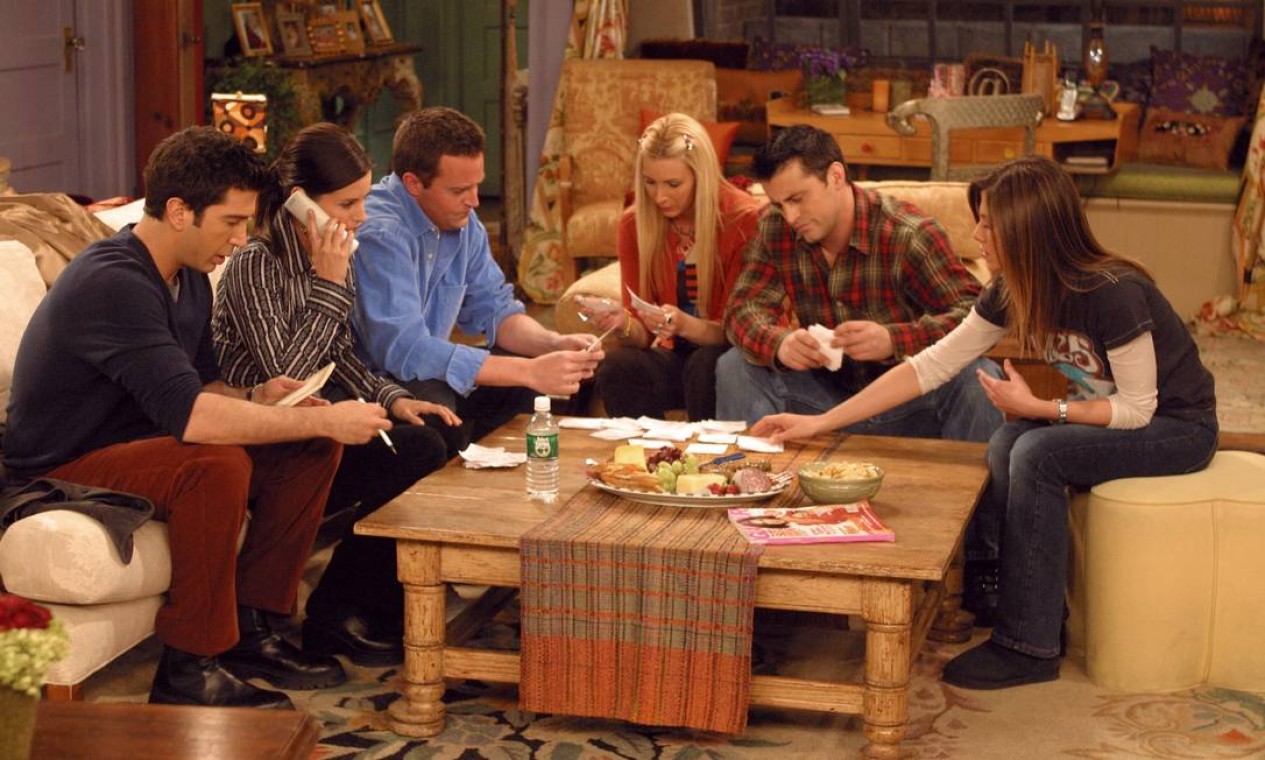
On-Set Pressure and Public Humiliation Were Part of the Process
The pressure did not stop in the writers’ room.
Kudrow also described a set environment where mistakes, missed jokes, or imperfect audience reactions could trigger harsh verbal criticism from writers, even during live tapings in front of hundreds of audience members.
With Friends filmed before live studio audiences of around 400 people, performance pressure was already immense. Kudrow’s account suggests that this pressure was intensified by an often unforgiving creative team that could respond with insults and aggressive blame rather than professional guidance.
Such stories reveal a hidden emotional cost behind the polished sitcom experience viewers saw each week.
:strip_icc()/i.s3.glbimg.com/v1/AUTH_08fbf48bc0524877943fe86e43087e7a/internal_photos/bs/2023/K/E/JzPzmfToyAkfopj9PKOg/friends-01.png)
Past Legal Controversies Add Weight to Kudrow’s Claims
Kudrow’s revelations also echo previous controversies tied to the production.
During the early 2000s, former script assistant Amaani Lyle filed a sexual harassment lawsuit against the production, alleging exposure to explicit sexual commentary about actresses and racist remarks during her time on the show.
Although the California Supreme Court ultimately ruled against Lyle, arguing that offensive discussions were part of the creative process for comedy writing, modern perspectives increasingly challenge that defense.
Viewed through the lens of 2026, these incidents contribute to a broader reassessment of workplace norms that were once tolerated in major entertainment productions.
Hollywood’s Evolving Standards Are Reshaping Legacy Narratives
As more performers revisit their experiences within legacy franchises, stories like Kudrow’s continue to challenge nostalgic public perceptions.
While Friends remains culturally significant, these behind-the-scenes allegations force audiences to reconsider the conditions under which beloved entertainment was created.
This does not necessarily erase the show’s legacy, but it complicates it.
For newer generations, awareness of these darker production realities may influence how they engage with classic media, particularly as discussions around labor rights, gender equality, and workplace abuse remain central to modern entertainment discourse.
Can Fans Separate the Show From Its Production Culture?
The question raised by Kudrow’s revelations is one increasingly common in contemporary media conversations: can audiences continue to love a series while acknowledging harmful behavior behind its creation?
For many fans, Friends may remain a cherished part of television history. For others, these revelations may fundamentally alter their relationship with the show.
What is clear is that Lisa Kudrow’s comments have added a new layer to the public understanding of one of television’s most enduring franchises, exposing the uncomfortable truth that even the brightest entertainment phenomena can cast long shadows behind the scenes.
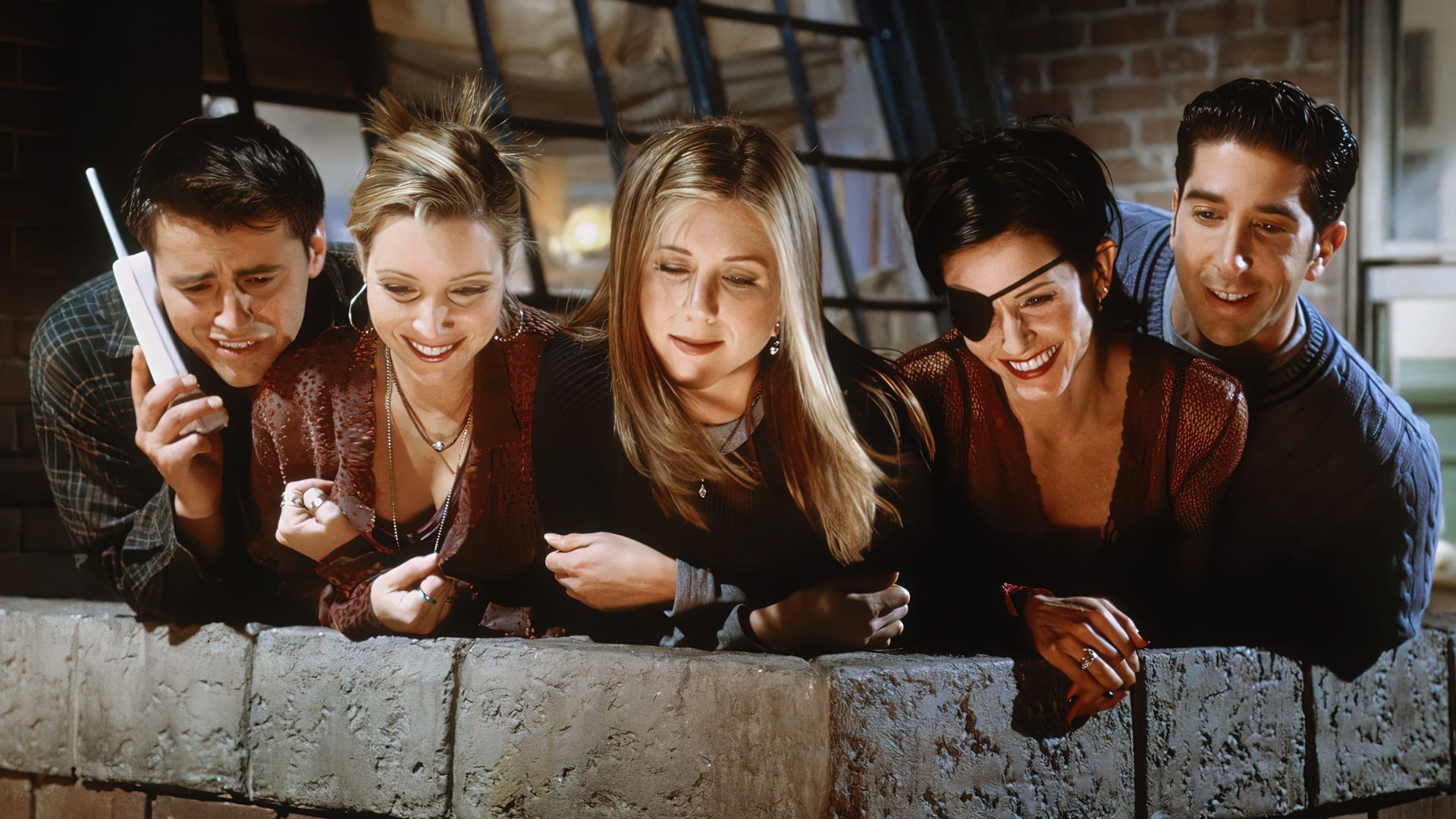
Final Thoughts
Lisa Kudrow’s candid reflections offer a sobering reminder that success and cultural impact do not always reflect healthy working environments.
As Hollywood continues reckoning with its past, stories like this serve as critical reminders that the entertainment industry’s most celebrated productions are not immune to deeper systemic issues.
For Friends, the laughter may still resonate, but its legacy is now undeniably more complicated.
