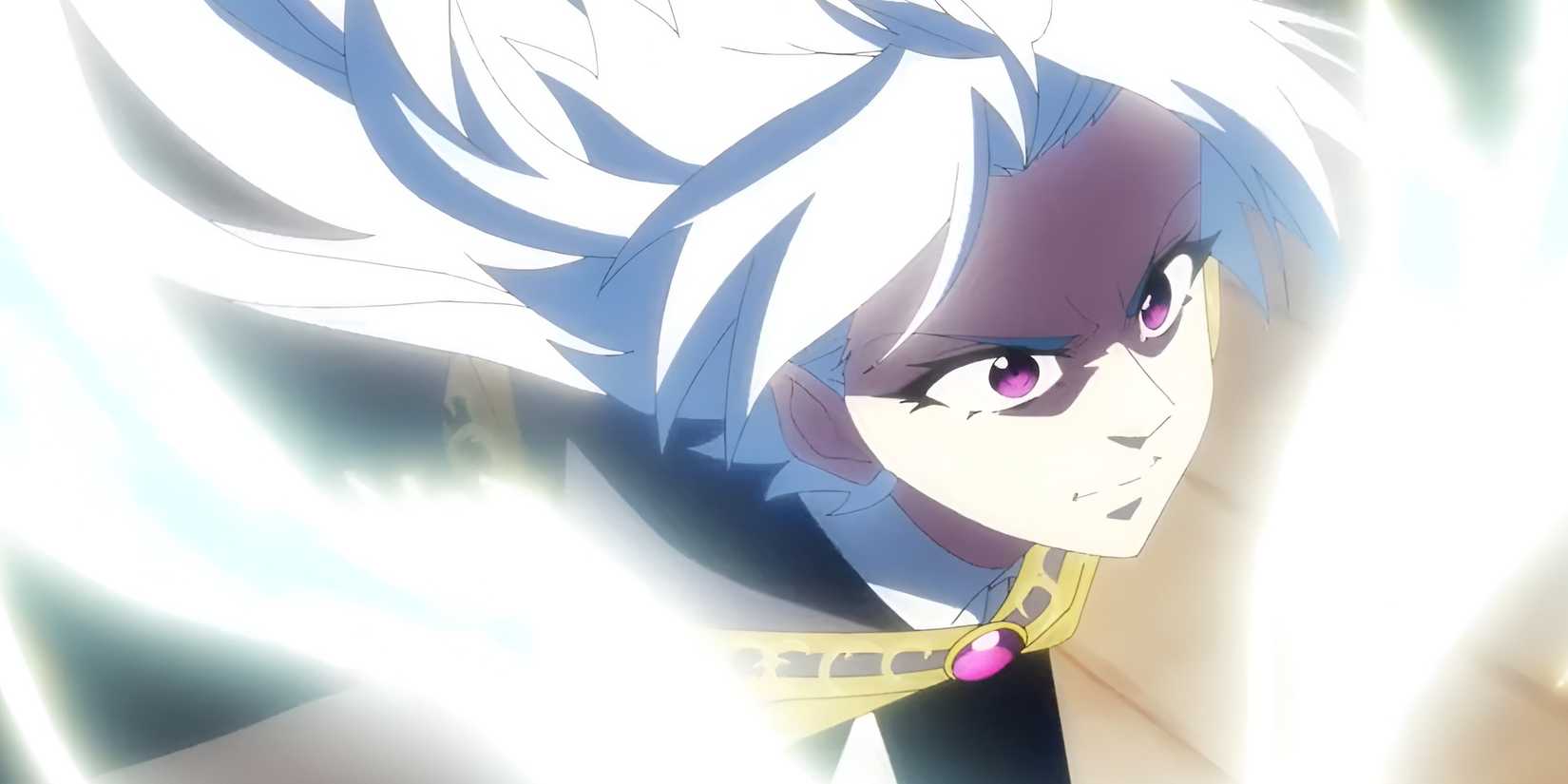
Wistoria: Wand and Sword Season 2 wastes no time throwing viewers back into its world, but instead of easing things in, it quickly escalates into one of the biggest conflicts the series has seen so far.
The first episode plays the expected role of reintroducing characters and setting the stage, but it still manages to deliver solid character moments and a bit of social commentary. From there, the anime immediately shifts gears, with the second episode diving straight into large-scale chaos as Ringard Academy faces a full-blown crisis triggered by Marze and Headless. The barrier falls, monsters flood in, and the story moves into pure high-stakes action without slowing down.
A Fast Escalation That Feels Almost Too Early
What stands out the most is just how quickly things escalate. This kind of “home base under attack” scenario usually feels like a late-season climax, but here it happens right at the beginning. It creates a strong sense of urgency, but at the same time, it feels like the series skipped a step. After the intense events in the dungeon arc, the characters barely get time to breathe before everything explodes again, which ends up weakening some emotional moments that could have hit harder with a bit more buildup.
Even so, Wistoria has always leaned heavily into melodrama and spectacle, and in that sense, the episodes deliver exactly what they promise. The scale of the battle is impressive, and when the animation hits, it really hits, even if there are noticeable shortcuts like static frames, simplified background characters and some confusing cuts that make it hard to follow certain parts of the chaos.
Will’s Breaking Point
At the center of everything is Will, and the attack on Ringard clearly serves as a turning point for his character. After already struggling with failure in the exams, this new crisis pushes him even further, especially when he witnesses Rosti’s death right in front of him. The moment itself isn’t exactly unpredictable, but it still lands thanks to strong voice acting and the emotional weight behind Will’s reaction.
At the same time, there are clear hints that Rosti’s death might not be as straightforward as it seems. The series has dropped enough clues to suggest that he could be connected to Elfaria in some way, whether as a magical construct or something similar. Even so, the emotional impact still works, because what matters in that moment is how real it feels to Will, and how much it shakes his already fragile confidence.
Episode 3 and the Problem of Too Many Threads
The third episode takes a different approach, but not necessarily a better one. Instead of moving the story forward, it spends most of its runtime jumping between multiple characters during the ongoing battle. The intention is clear: to create a sense of scale and chaos. In practice, though, it ends up feeling fragmented, with short scenes that don’t last long enough to build tension or deepen any of the characters involved.
The constant switching between characters, combined with on-screen name prompts, gives the impression that the anime expects viewers to already be fully invested in every single person on screen. The problem is that these moments don’t do much to reinforce that connection, since they rarely go beyond a couple of lines before cutting away again.
When the Story Finally Moves
It’s only near the end of the episode that the narrative actually starts moving again, bringing the focus back to Will and Professor Workner. Even here, though, the execution is uneven, with what should be a dramatic injury moment losing some impact due to awkward visual presentation. Still, the episode manages to recover by introducing Finn and, more importantly, unlocking Will’s first true “magic spell.”
This transformation is exactly the kind of moment the series has been building toward, essentially giving Will his own version of a major power-up. It’s flashy, it’s dramatic, and it finally gives a sense that all of the pressure and trauma he’s been going through is leading somewhere meaningful.
A Strong Finish That Sets Up What’s Next
The highlight of this sequence isn’t just the power-up itself, but how it ties into the surrounding events, especially Sion’s near-sacrifice. That moment adds a layer of emotional weight that the episode had been lacking, showing real character growth and giving the climax something to stand on beyond just spectacle.
By the end of episode 3, Wistoria manages to regain its footing, setting up what feels like a decisive turning point for both the battle and Will’s development. The pacing may be messy, and the structure sometimes works against the story, but when it focuses on its core strengths, action, emotion and character-driven moments, it still delivers something genuinely engaging.
