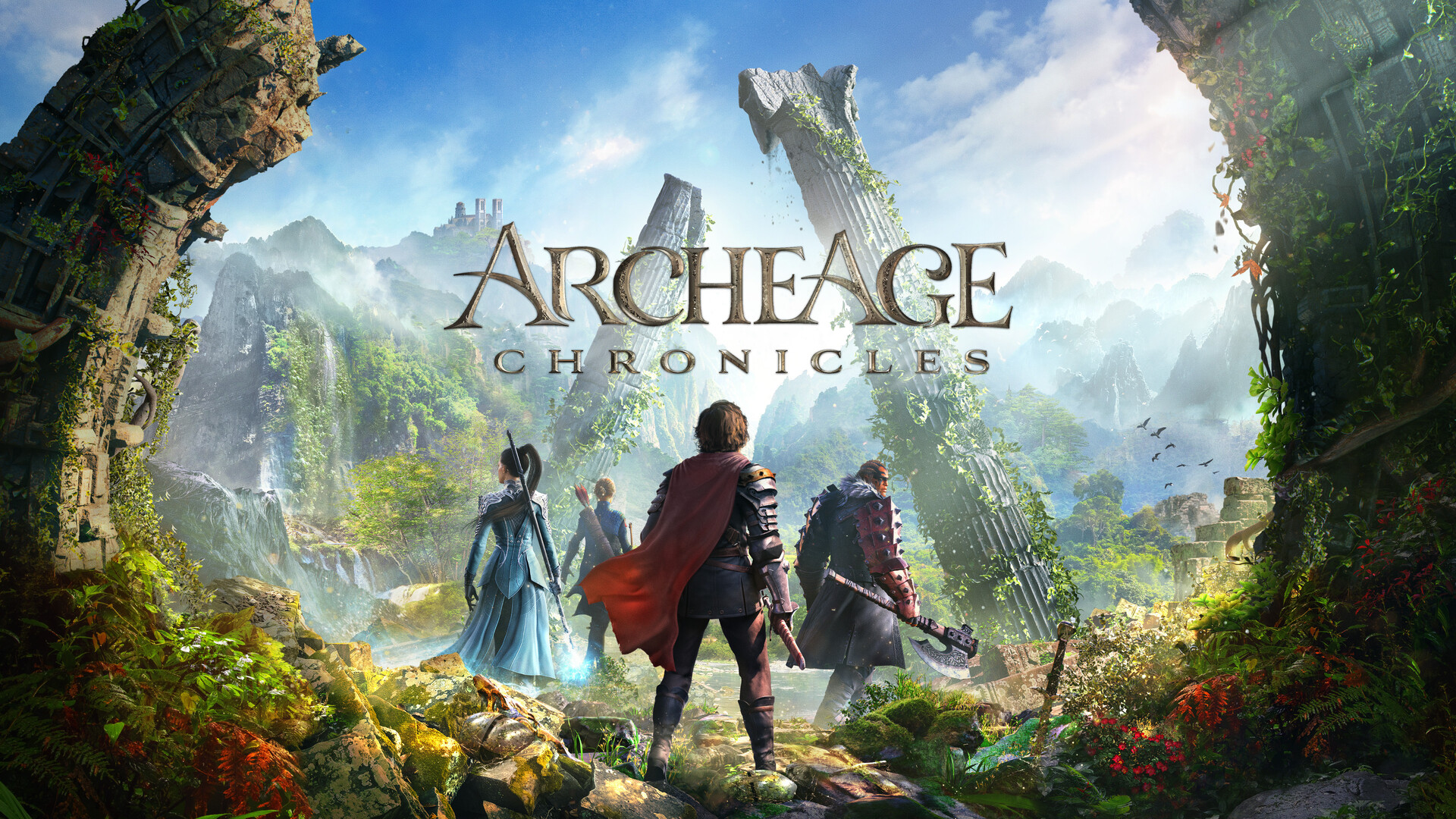
ArcheAge Chronicles, previously known as ArcheAge 2, was finally showcased during Sony’s latest State of Play presentation, but one specific detail immediately sparked debate across the MMO community.
Is it actually still an MMO?
According to the marketing language currently being used by XLGames and Kakao Games, the answer suddenly seems less direct than fans expected.
XLGames Keeps Calling It an “Online Action RPG”
In official blog posts and press materials following the reveal, the game is repeatedly described as an “online action RPG” instead of an MMORPG.
That wording instantly reminded many players of what happened recently with New World: Aeternum, where Amazon also started distancing the game from the MMO label despite retaining most traditional MMORPG systems.
Still, when players actually look at the features confirmed for ArcheAge Chronicles, it becomes extremely difficult to argue that the game isn’t fundamentally an MMO.
The Store Pages Still Call It an MMORPG
Ironically, while marketing interviews and blog posts avoid the MMO term, both the Steam and Epic Games Store pages openly describe ArcheAge Chronicles as an MMORPG multiple times.
The game’s description even calls it:
“The next evolution of the MMORPG genre.”
That wording alone makes the messaging surrounding the game feel contradictory.
If the project is supposedly evolving the MMORPG genre, then it obviously still belongs to that genre in the first place.
The Features Scream MMO
Everything revealed so far about ArcheAge Chronicles sounds heavily rooted in MMORPG design philosophy.
The game includes:
- Large-scale raids
- Open multiplayer exploration
- Housing systems
- Player-driven trading
- Crafting systems
- Persistent online communities
- Town-building mechanics
- Multiplayer boss encounters
Those systems have historically been core pillars of MMORPGs for decades.
When players hear “online action RPG,” most people still think of games like Diablo, Path of Exile, or smaller co-op experiences — not giant persistent online worlds filled with housing, economies, raids, and social structures.
Why Are Studios Avoiding the MMO Label?
This growing trend of avoiding the MMORPG label has become increasingly noticeable across the industry.
One theory is that publishers believe the term “MMO” scares away console audiences who associate the genre with time-consuming grinds or outdated gameplay design.
Amazon previously hinted at this exact reasoning during discussions surrounding New World: Aeternum.
Some developers also seem interested in presenting their games as more modern, action-focused experiences instead of traditional tab-target MMORPGs.
Still, many longtime MMO fans see this shift as strange, especially considering how successful MMO-style games continue to be across both PC and console platforms.
The MMO Community Notices These Changes Immediately
The reaction online showed just how much the terminology still matters to players.
Across Reddit, forums, and social media, one of the very first questions asked after the reveal was whether ArcheAge Chronicles was still an MMO.
That alone highlights how deeply connected the genre label remains to audience expectations.
For some players, MMORPGs represent persistent social worlds and long-term progression systems that other online genres still struggle to replicate.
Seeing major publishers hesitate to use the term makes parts of the community worry that the genre itself is slowly losing cultural relevance.
At the End of the Day, It Still Looks Like ArcheAge
Regardless of the wording being used in marketing campaigns, ArcheAge Chronicles still appears to retain many of the features that originally made ArcheAge stand out.
Massive multiplayer interaction, player-driven systems, housing, crafting, exploration, and large-scale cooperative content remain central parts of the experience.
Whether publishers call it an MMORPG, online action RPG, or something entirely different probably won’t change how players actually experience the game once servers go live.
But the growing reluctance to openly embrace the MMO label continues to be one of the strangest trends currently happening in the gaming industry.
